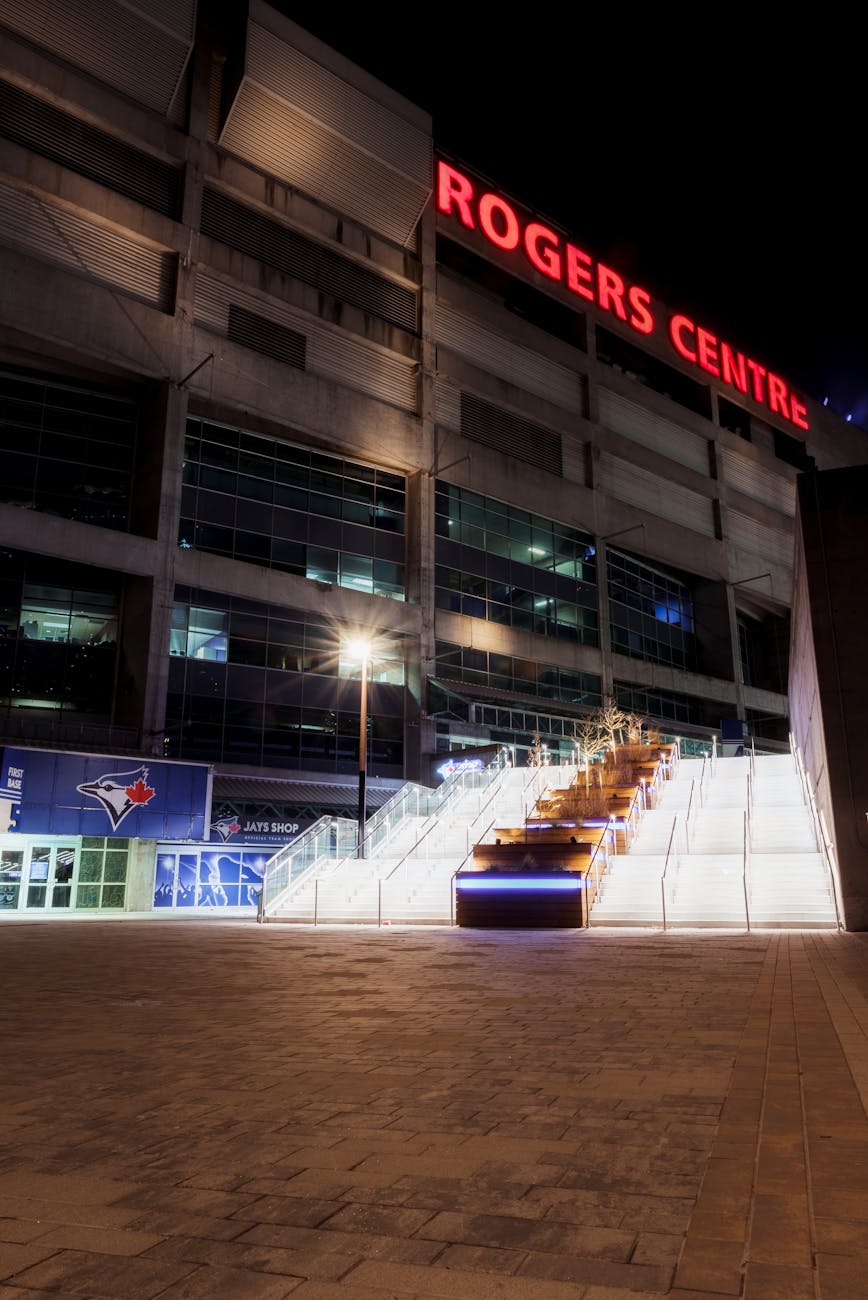
The Toronto Blue Jays entered the 2025 off-season with high hopes. Unfortunately, those hopes have been dealt a serious blow. The team and star first baseman Vladimir Guerrero Jr. failed to secure a contract extension. This was before Guerrero’s self-imposed deadline of February 18, 2025, which marks the first day of spring training. This failure has ignited a firestorm of debate among fans and experts. Many are questioning the competence of Blue Jays general manager Ross Atkins. Some are calling for his immediate dismissal. While the situation is undoubtedly a setback for the Blue Jays, the decision about Atkins’s future requires deeper examination. It involves understanding the circumstances, his overall track record, and the implications for the team’s future.
Overview of the Situation
Before delving into the specifics of the failed negotiation, we need to understand the broader context. It is essential to grasp Atkins’ role in it. Here’s a summary of the key points from various reports:
- Failed Extension: The Blue Jays and Guerrero Jr. were unable to agree on a contract extension before Guerrero’s self-imposed deadline.
- Guerrero’s Stance: Guerrero Jr. expressed his desire to remain a Blue Jay. However, he emphasized that the team will now have to compete with 29 other teams for his services. This competition will happen when he becomes a free agent at the end of the season.
- Potential Contract Value: Speculation suggests Guerrero Jr. is seeking a contract in the range of $450 million to $600 million.
- Atkins’ Inaction: Reports indicate a lack of recent negotiations between the Blue Jays and Guerrero Jr.’s camp.
- Alternative Options: The Blue Jays are reportedly in discussions with free-agent first baseman Pete Alonso. They might sign him as a replacement for Guerrero Jr.
- Expert Opinions: MLB insider David Samson has cautioned against Guerrero Jr.’s premature contract demands, emphasizing the importance of patience and performance evaluation.
These points paint a picture of a complex situation with significant implications for both the player and the team.
The Failed Negotiation
Guerrero Jr. stated that the Blue Jays “had their numbers.” He “had numbers” too, but the two sides could not bridge the gap. Reports suggest that Guerrero Jr. wanted a contract in the range of $450 million. The Blue Jays’ offer was significantly lower, potentially around $340 million. This substantial difference in valuation likely played a major role in the impasse.
Adding to the complexity was Guerrero Jr.’s self-imposed deadline of February 18th. This deadline provided a clear time-frame for negotiations. However, it also potentially created undue pressure on the Blue Jays. It may have limited their flexibility. Some experts, like Sal Licata, believe this was a strategic move by Guerrero Jr. to force the Blue Jays’ hand. Others feel that the Blue Jays brought this upon themselves. Commenters on Reddit argue they “nickel and dimed him every year” and “manipulated his services.” Regardless of the motivations behind it, the deadline undoubtedly added another layer of complexity to an already challenging negotiation.
Learnings for Teams and Players
The failed contract extension talks between the Blue Jays and Guerrero Jr. offer some key lessons for both teams and players on how to be prepared for similar scenarios:
- Early and Consistent Communication: Teams should engage in contract discussions early. They should talk well in advance of their star players’ free agency year. This allows both sides to understand each other’s expectations and work towards a mutually beneficial agreement.
- Understanding Market Value: Both teams and players need to have a realistic understanding of the player’s market value. This can be achieved through research, analysis of comparable players, and consultation with agents and experts.
- Flexibility and Compromise: Both sides should be willing to be flexible and compromise during negotiations. Finding common ground is essential to reaching an agreement that satisfies both parties.
- Clear Deadlines and Expectations: Setting clear deadlines and expectations can help avoid misunderstandings and ensure that negotiations stay on track.
- Contingency Plans: Teams should have contingency plans in place in case a contract extension cannot be reached. This could involve exploring trades or identifying potential replacements in free agency.
By learning from the Blue Jays’ experience, other teams and players can navigate contract negotiations more effectively. This helps them avoid potentially damaging situations.
Guerrero Jr.’s Value
To fully grasp the magnitude of this failed negotiation, it’s essential to understand Vladimir Guerrero Jr.’s value to the Blue Jays. At just 25 years old, he is already considered one of the best players in baseball. In 2024, he had a monster season, slashing .323/.396/.544 with 44 doubles, 30 home runs, and 103 RBIs. He finished sixth in MVP voting and has a runner-up finish under his belt as well.
Beyond his impressive statistics, Guerrero Jr. is a fan favorite and a key figure in the Blue Jays’ marketing efforts. He is the face of the franchise. His presence in the lineup greatly impacts the team’s overall performance and appeal. Losing him would create a void on the field. It could also potentially damage the team’s brand and fan base.
Some experts believe that Guerrero Jr. could command a contract exceeding $500 million, potentially even reaching $600 million. This would place him among the highest-paid players in MLB history, a testament to his exceptional talent and potential.
Atkins’ Track Record
Ross Atkins has been the Blue Jays’ general manager since 2015. During his tenure, the team has made the playoffs three times but has not advanced past the Wild Card round. While he has had some success, his overall track record is not without its blemishes.
One of the biggest criticisms of Atkins is his inability to develop young talent. The Blue Jays have a relatively weak farm system. Many of their top prospects have not lived up to expectations. This is a major concern for a team that is trying to build a sustainable contender.
Atkins has also made some questionable trades and signings. He traded for starting pitcher Chase Anderson in 2019. He sent prospect Chad Spanberger to the Milwaukee Brewers in return. Anderson was a disappointment, posting a 7.22 ERA in 10 appearances with the Blue Jays.
Furthermore, Atkins’ handling of the Guerrero Jr. situation raises concerns about his negotiation skills and his ability to retain star players. Failing to secure a long-term deal with a franchise cornerstone like Guerrero Jr. is a significant misstep that could have long-term consequences for the team.
Public Reaction
The failed contract extension talks have generated a wide range of reactions from fans and experts. Many fans are expressing frustration and disappointment with Atkins, with some even calling for his firing. On social media platforms and online forums, fans are sharing their concerns about the team’s direction. They are questioning Atkins’ ability to lead them to success.
Experts are also weighing in on the situation. MLB insider David Samson, for example, has criticized Guerrero Jr.’s approach to the negotiations, suggesting that his demands may be premature. However, others have a different opinion. Jon Heyman of the New York Post believes that the Blue Jays may have missed an opportunity. They could have secured their star player at a reasonable price.
Overall, the public reaction reflects a sense of uncertainty and concern about the Blue Jays’ future. The failed negotiation has cast a shadow over the team. Many are questioning whether Atkins is the right person to lead them forward.
The Case for Firing Atkins
The failure to extend Vladimir Guerrero Jr. is a significant mark against Ross Atkins. It raises serious questions about his ability to manage the team’s most valuable assets and build a winning culture. Here are some of the key arguments for why Atkins should be fired:
- Failure to Secure a Franchise Cornerstone: Losing Guerrero Jr. would be a devastating blow to the Blue Jays, both on the field and in terms of their brand image. Atkins’ inability to secure a long-term deal with a player of Guerrero Jr.’s caliber is a major failure that could have long-term consequences for the franchise.
- Questionable Track Record: While Atkins has had some successes, his overall track record as general manager is not overly impressive. The team has not achieved significant playoff success under his leadership. His inability to develop young talent is a major concern.
- Poor Negotiation Skills: The Guerrero Jr. situation highlights potential weaknesses in Atkins’ negotiation skills. Failing to reach an agreement before the deadline, despite Guerrero Jr.’s expressed desire to stay in Toronto, suggests a lack of effectiveness in high-stakes negotiations.
- Lack of Clear Direction: Some critics argue that Atkins lacks a clear vision for the team’s future. The team has been inconsistent in recent years. There are concerns about their ability to compete with the top teams in the American League.
- Potential Replacement Already in Sight: Atkins’ reported interest in Pete Alonso as a potential replacement for Guerrero Jr. suggests that he may have already been preparing for Guerrero Jr.’s departure. This further supports the argument that he is not committed to building a team around Guerrero Jr. and that a change in leadership may be necessary.
Furthermore, it’s worth considering how other teams have handled similar situations. For instance, the New York Mets extended Francisco Lindor’s contract. They secured him with a 10-year, $341 million deal before he hit free agency. Similarly, the San Diego Padres locked up Fernando Tatis Jr. with a 14-year, $340 million deal. These examples show that securing long-term deals with young stars is possible. Atkins’ failure to do so with Guerrero Jr. raises questions about his competence compared to his peers.
What Should the Blue Jays Do?
Given the current situation, the Blue Jays need to seriously consider making a change at the general manager position. Firing Atkins may seem like a drastic measure. However, it might be necessary to send a message that the team is committed to winning. This action could also restore confidence among fans and players.
A new general manager could bring fresh perspectives, improved negotiation skills, and a renewed focus on building a sustainable contender. They could also potentially re-engage with Guerrero Jr. and attempt to salvage the situation, although this may be challenging given the breakdown in trust.
Alternatives to Firing
While firing Atkins is a viable option, the Blue Jays could also explore alternatives:
- Performance Goals: The team could set specific performance goals for Atkins. One example could be reaching the ALCS. Another goal might be improving the farm system ranking. This would hold him accountable for the team’s performance and provide a clear measure of his success.
- Increased Collaboration: The Blue Jays could encourage greater collaboration between Atkins and other front office members. This includes the manager and scouting director. This could lead to better decision-making and a more cohesive approach to team building.
- Mentorship: The team could provide Atkins with mentorship from experienced executives, either within the organization or from outside sources. This could help him develop his skills and improve his performance.
These alternatives could potentially address some of the concerns about Atkins’ leadership. They avoid the disruption of a complete change in management.
Implications for the Blue Jays’ Future
The failed contract extension talks with Guerrero Jr. have significant implications for the Blue Jays’ future. Losing him would create a major hole in their lineup. It could potentially derail their hopes of contending for a World Series.
Furthermore, this situation could damage the team’s reputation and make it more difficult to attract other free agents. Players may be hesitant to sign with a team that has a history of failing to retain its star players.
The Blue Jays need to carefully consider their next steps and develop a plan to address the challenges ahead. This could involve exploring trades, signing free agents, or focusing on developing young talent. Regardless of their approach, the team needs to act decisively to ensure a bright future for the franchise.
Conclusion
The failure to extend Vladimir Guerrero Jr. is a significant setback for the Toronto Blue Jays. It raises legitimate concerns about Ross Atkins’ leadership and his ability to build a winning team. While firing him may seem like a drastic measure, it might be the necessary step to move the franchise forward.
However, the Blue Jays should also consider alternative options. For example, they could set performance goals or provide mentorship. This should be done before making a final decision. The team needs to choose the path that best serves their long-term interests. This decision ensures a bright future for the franchise.
This situation serves as a reminder that even the most talented players can become free agents. Teams need to be prepared to navigate these challenges effectively. The Blue Jays’ experience offers valuable lessons for other teams and players on the importance of communication. It highlights the need for flexibility and contingency planning in contract negotiations.


 ScortonBoy17.ca
Leave a reply to The Grim one Cancel reply