NASCAR will return to the Circuit of the Americas (COTA) in Austin, Texas for the 2025 season. There will be a significant change: a reconfigured track layout. This move has sparked considerable interest and debate among fans and drivers alike. In this in-depth blog post, we’ll explore the reasons behind this change. We’ll delve into the specifics of the new layout. We’ll also analyze its potential impact on the racing experience.
The Shift to the National Circuit
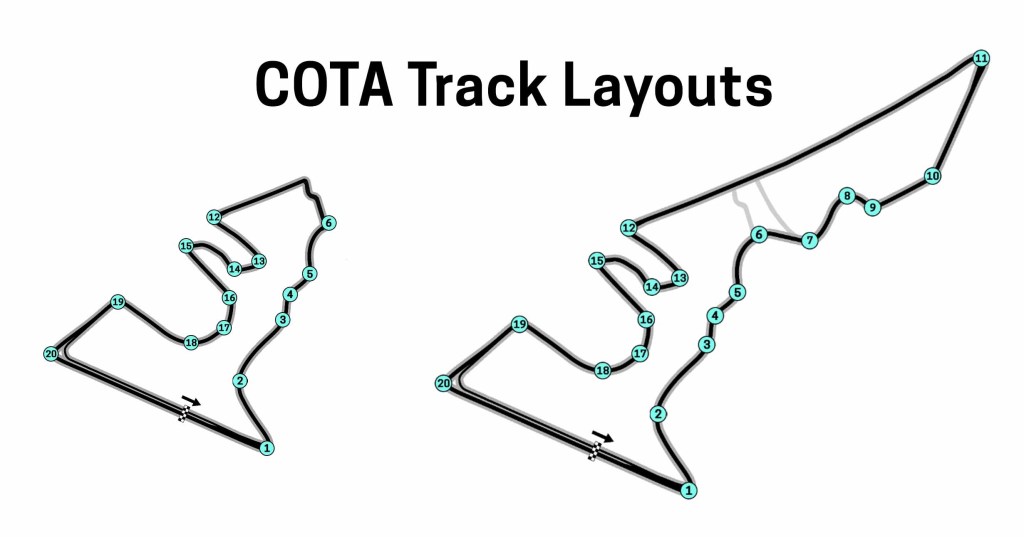
For the past four years, NASCAR has utilized COTA’s full course layout, a 3.41-mile, 20-turn circuit also used for Formula 1 races. However, starting in 2025, NASCAR will transition to the shorter “National Course” layout. This 2.3-mile configuration still features 20 turns. It eliminates approximately one mile from the backside of the track. Specifically, it bypasses Turns 7, 8, 9, 10, and 11. This means the cars will bypass the esses and rejoin the full course at the end of the backstretch.
This decision, driven by several factors, primarily aims to enhance the fan experience and create a more exciting on-track product. Speedway Motorsports President and CEO Marcus Smith emphasized the benefits of the change. He stated, “The move to the National Course will make a great race experience even better for our fans. It includes more laps and more action.” Adding to the challenge, the track underwent a complete repaving after the 2024 race weekend. The new layout will present drivers with a considerably different racing surface. They will face a new set of challenges to overcome.
Reasons for the Reconfiguration
More Laps, More Action
By shortening the track, NASCAR aims to increase the number of laps in the race. This provides fans with more opportunities to witness exciting moments. The Cup Series race, for instance, will increase from 68 laps to approximately 100 laps. This increase in laps should translate to more action, more passes, and a heightened sense of urgency throughout the race. Fans have expressed a desire to see more cars on track, and this change directly addresses that feedback. However, it’s worth considering whether the removal of some passing zones might negate this intended effect.
Shorter Lap Times, Faster Pace
The reconfiguration is expected to reduce lap times by roughly a minute. This faster pace will keep fans engaged. They will be on the edge of their seats as cars complete laps more quickly. This leads to more frequent battles and position changes. This could also translate to increased viewership as the on-track action becomes more condensed and exciting. However, shorter lap times might lessen the strategic element of the race. Teams have less time to react to changing track conditions. They also have less time to make adjustments.
A Fresh Challenge for Drivers
The new layout presents a fresh challenge for drivers, forcing them to adapt their strategies and driving styles. Ross Chastain has experience running the National Course on iRacing. He described it as “like basically going to a new track, a new town, new area.” This novelty factor will undoubtedly add to the excitement and unpredictability of the race. It will be interesting to see how drivers with different strengths and weaknesses adapt to the new layout. Will this favor those who excel at close-quarters racing? Or will it benefit those who are more adept at managing tire wear over longer runs?
Addressing Concerns with the Next Gen Car
The Next Gen car, introduced in 2022, has faced criticism for its impact on road course racing. Some argue that it has made passing more difficult. NASCAR aims to address these concerns by shortening the track. They also plan to potentially increase the number of passing zones. This is intended to deliver a more competitive racing product. However, the removal of the Turn 11 hairpin, a prime passing opportunity, might counteract this intended effect.
Shorter Caution Laps
One significant benefit of the shorter layout is the reduction in the length of caution laps. Long caution laps can disrupt the flow of a race, especially at a large track like COTA. This change will help maintain the momentum of the race and minimize downtime under caution. On the other hand, shorter caution laps could also reduce the strategic element of pit stops. Teams have less time to make decisions. They also have less time to execute their strategies under yellow flag conditions.
Impact of the Reconfiguration on Restarts
The shorter track will also affect restarts, potentially creating more passing opportunities. With the restart zone pushed further back, drivers will have more space to maneuver and make moves before Turn 1. This could lead to more exciting and unpredictable restarts, especially with the added intensity of a shorter track.
Impact on the Racing Experience
For Drivers
The National Circuit will demand a different approach from drivers. The long backstretch and the Turn 11 hairpin’s removal will change braking points. This will affect passing zones. It will also impact the overall race strategy. Drivers will need to adapt to the tighter corners and shorter straights. This change could lead to more close-quarters racing. It also presents increased opportunities for contact.
The new layout may also place a greater emphasis on car setup and tire management. Lap times are shorter, and acceleration and braking are more frequent. As a result, tire wear could become a more significant factor in the race. Drivers who can conserve their tires better may gain an advantage. They need to adapt their driving style to changing tire conditions.
For Fans
Fans can expect a more action-packed race with the National Circuit. The increased number of laps and shorter lap times will create a more dynamic viewing experience. The shorter caution laps will also keep the race flowing and maintain excitement.
Furthermore, the reconfigured layout may offer improved sightlines for fans at the track. With a more compact circuit, spectators may have a better view of the action from various vantage points. This could enhance the overall fan experience and make attending the race even more enjoyable.
To further incentivize fan attendance, Speedway Motorsports is offering the “Texas Two-Step” promotion. This promotion provides a 20% discount to fans. They must purchase tickets to both the COTA race and the NASCAR race at Texas Motor Speedway. This promotion caters to fans who want to experience two distinct NASCAR events in the same state.
COTA: A Versatile Motorsports Venue
COTA is a versatile motorsports facility. It hosts a variety of racing series. Each series has its own unique demands and characteristics. The track’s ability to adapt to different racing disciplines is a testament to its design and flexibility.
| Racing Series | Track Configuration | Key Features |
|---|---|---|
| Formula 1 | Full Course Layout | Long straights, high-speed corners, emphasis on aerodynamics and downforce |
| NASCAR | National Circuit | Tighter corners, shorter lap times, increased emphasis on car setup and tire management |
| MotoGP | Full Course Layout | Technical sections, elevation changes, demanding braking and acceleration zones |
| FIA WEC | Full Course Layout | Endurance racing, challenging corners, a balance of speed and durability |
Export to Sheets
This table highlights the adaptability of COTA and its ability to cater to a wide range of motorsports. The track’s configuration can be adjusted to suit different racing series. It provides a unique challenge. It also offers an exciting experience for drivers and fans alike.
A Look Back at NASCAR at COTA
NASCAR’s history at COTA is relatively short but already filled with memorable moments. The inaugural race in 2021 was held in wet conditions. Chase Elliott took the checkered flag, marking a historic win for Hendrick Motorsports. It was also a significant win for Chevrolet. Since then, COTA has hosted NASCAR races every year. Various drivers have added their names to the winners’ list. These include Ross Chastain, Tyler Reddick, and William Byron.
The track has undergone some changes over the years, including a full repave after the 2024 race weekend. The shift to the National Circuit in 2025 is the most significant evolution of the track for NASCAR competition. It promises a new chapter in the sport’s history at COTA.
It’s worth noting that the National Circuit isn’t entirely new to racing at COTA. The Supercars series utilized this layout in 2013, providing a glimpse of how NASCAR might race on the shorter configuration. This historical precedent adds another layer of intrigue to the upcoming NASCAR races at COTA.
The Broader Impact of NASCAR at COTA
NASCAR races at COTA have a significant impact on the Austin area, both economically and environmentally.
Economic Impact
NASCAR races bring in thousands of visitors, boosting tourism, hospitality, and local businesses. A 2014 study found that COTA generated $897 million in economic impact for the region. Of that amount, the Formula 1 race alone contributed $507 million. The track changes for 2025 could further enhance this economic impact. The shorter layout has increased action and a faster pace. It may attract more fans. This could lead to greater spending in the local economy. This could be a big win for hotels in downtown Austin. It is also advantageous for local businesses. Fans seek accommodation and entertainment options close to the track.
Environmental Impact
NASCAR has made significant strides in reducing its environmental impact in recent years. The organization has committed to achieving net zero operating emissions by 2035. COTA also has a strong commitment to sustainability, with initiatives such as waste diversion, composting, and tree planting. The track also maintains onsite wildlife preserves and habitats, offsets carbon emissions, and even produces its own honey.
The track changes for 2025 may have a positive environmental impact. The shorter layout could potentially lead to reduced fuel consumption and emissions during races.
Other Changes to the 2025 NASCAR Season
The 2025 NASCAR season is shaping up to be a year of significant change. Several updates are aimed at improving the racing product. These updates will also enhance the fan experience. These changes, combined with the COTA reconfiguration, signal a dynamic shift in the sport’s landscape.
- New Practice and Qualifying Format: Single-car qualifying will return for all tracks except superspeedways. Practice sessions will be 25 minutes long. This change could affect driver preparation for the reconfigured COTA track. They have less practice time to familiarize themselves with the new layout.
- New Full-Time Drivers: Riley Herbst, Cole Custer, and Ty Dillon will join the Cup Series full-time. These new drivers will add to the competition and bring fresh perspectives to the sport.
- Updated Damaged Vehicle Policy: Damaged cars will be allowed to continue in the race after repairs in the garage. This change will likely lead to more cars finishing races, potentially affecting the outcome of events.
- Revised Playoff Waiver Rules: Drivers who skip a race for non-permissible reasons will forfeit playoff points. This rule adds more weight to playoff points and emphasizes the importance of participating in all races.
- Increased Points for Fastest Lap: The driver with the fastest lap in each race will earn an additional point. This change adds another layer of strategy to races and rewards drivers for pushing the limits.
- Open Exemption Provisional: This new rule enables a world-class driver from another racing discipline. It provides them with a guaranteed starting position in a Cup Series race. This rule opens the door for more diverse participation in NASCAR and could lead to some exciting crossover events.
Conclusion
The reconfiguration of COTA for the 2025 NASCAR season marks a significant shift in the track’s history. The change is driven by a desire to enhance the fan experience. It also aims to create a more exciting on-track product. This promises to usher in a new era of NASCAR racing at COTA. The National Circuit will feature more laps and faster speeds. It provides a fresh challenge for drivers. It is poised to deliver thrilling and unpredictable races for years to come.
This move could be a harbinger of things to come. It may inspire similar changes at other road courses on the NASCAR schedule. As the sport evolves, we may see more tracks embrace shorter layouts. They might use innovative configurations to create a more dynamic and engaging racing experience for fans and drivers alike.

 ScortonBoy17.ca
Leave a comment