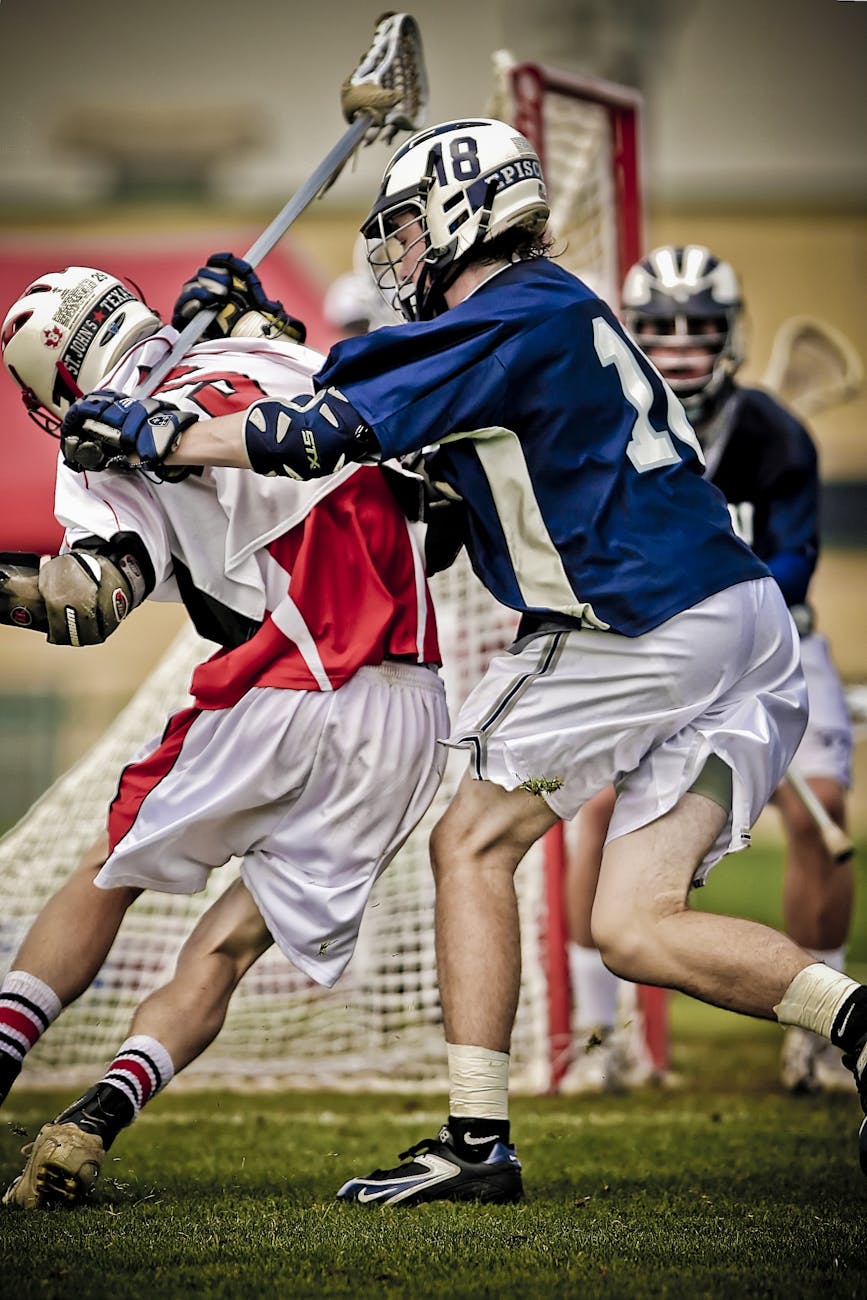
Lacrosse, often called the fastest game on two feet , boasts a rich history intertwined with North America’s Indigenous communities. More than just a sport, lacrosse played a vital role in their cultural lives. It also had a spiritual role. It served as a ceremonial ritual. It was also a training ground for warriors and a means of conflict resolution. This captivating game has evolved through the centuries, spreading across continents and captivating audiences worldwide. Now, with its inclusion in the 2028 Los Angeles Olympics, lacrosse is poised to reach new heights. It is set to inspire a new generation of athletes and fans.
The Creator’s Game: Lacrosse’s Indigenous Roots
Lacrosse’s origins can be traced back to the 12th century. Various Indigenous tribes in North America engaged in versions of the game long before European contact. These early iterations, known as “stickball,” were far from mere recreation. They held deep cultural and spiritual significance. The games often served as rituals. They were a form of symbolic warfare and a way to give thanks to the Creator. Games were major events, spanning several days and involving hundreds, sometimes even thousands, of players. Imagine vast, borderless fields where tribes would gather, not just to compete but to trade, socialize, and settle disputes.
Social and Spiritual Significance
Lacrosse was more than just a game to Indigenous communities; it was a way of life. Games could be used to settle arguments, acting as a diplomatic tool to resolve territorial disputes and reinforce political fellowship. This ritualized form of conflict resolution helped maintain stability and prevent prolonged warfare between tribes.
The game also had a spiritual dimension, connecting players to the natural world. The wooden sticks, often made from hickory, represented plant life, while the nets, crafted from deer sinew, symbolized animal life. This connection to nature fostered a sense of harmony and respect for the environment.
Furthermore, lacrosse reinforced communalism. Unlike modern versions of the sport with specialized positions, early lacrosse had few rules and allowed for fluid participation. Anyone could do anything, promoting a sense of unity and shared responsibility within the community.
Women in Early Lacrosse
While often overlooked, women played a significant role in early lacrosse. Some communities had variations of the game specifically for women. For example, the Ho-Chunk and Arikara used a double ball linked with rope. This symbolized fertility and womanhood.
Women also played a crucial role in historical events related to lacrosse. During Pontiac’s Rebellion in 1763, Ojibwe and Sauk women used a lacrosse game strategically. Their actions distracted British soldiers at Fort Michilimackinac. This distraction allowed their warriors to launch a surprise attack.
Early Equipment and Traditions
Early lacrosse equipment was simple yet symbolic. Sticks were crafted from a single piece of wood, often hickory, with nets made from animal hide or gut. These sticks were not just tools but works of art, each unique and reflecting the craftsmanship of its owner. Balls were made from wood or deerskin, filled with fur. Players would adorn themselves with paint and charcoal, adding to the ceremonial atmosphere.
The Haudenosaunee, or Iroquois people, played a pivotal role in lacrosse’s early development. For them, lacrosse was a gift from the Creator, woven into their creation story and used for enjoyment and healing. Neal Powless, who played professionally for the Iroquois Nationals lacrosse team, describes the sport as “medicine”. It heals the spirit and soul. Even today, ceremonial medicine games are played in Haudenosaunee communities to heal the sick. Participants of all ages engage in this timeless tradition.
As historian John Hunter explains, “Lacrosse starts up with before lacrosse was even put here with the people. They started out with the animals first before life was formed down here on Earth.” This deep connection to nature and spirituality is a core element of lacrosse’s Indigenous roots.
From Stickball to Lacrosse: European Influence and Early Development
In the 17th century, French Jesuit missionaries in the St. Lawrence Valley became the first Europeans to witness lacrosse. Struck by the stick’s resemblance to a bishop’s crozier, they named it “la crosse.” While initially condemning the game for its violence and association with Indigenous spirituality, Europeans eventually adopted and adapted it.
William George Beers was a key figure in lacrosse’s early development. He was a Canadian dentist who founded the Montreal Lacrosse Club in 1856. Beers codified the game in 1867. He shortened game lengths and reduced the number of players. He also introduced a rubber ball and a redesigned stick. These changes marked a significant step in lacrosse’s transformation from a tribal tradition to a more organized sport.
Evolution of Lacrosse Equipment: From Wood to High-Tech
The evolution of lacrosse equipment mirrors the sport’s journey. As lacrosse spread and gained popularity, the materials used in sticks began to change.
Early Innovations (1970s-1990s)
- Plastic Heads (1970s): STX developed the first plastic head, offering greater consistency and durability compared to traditional wooden sticks. This innovation also allowed for mass production, making lacrosse equipment more accessible.
- Aluminum Shafts (1980s): The introduction of aluminum shafts made sticks significantly lighter, leading to faster stick speed, shots, and passes. This change significantly impacted the speed and skill of the game.
- Synthetic Mesh (1980s): Synthetic mesh replaced traditional leather pockets. It offered improved consistency and better performance. It also provided greater resilience in various weather conditions.
- Titanium Shafts (1990s): Warrior Lacrosse pioneered the use of titanium shafts. These shafts were lighter and more durable than aluminum. This advancement further enhanced stick performance and durability.
- Offset Heads (1990s): Brine developed the offset head. They lowered the face of the head slightly below the base. This design improved ball control and feel for the stick.
Modern Advancements (2000s-Present)
- Composite Shafts: Modern shafts are now made from carbon fiber composites. They offer even greater lightness. These shafts are more durable and flexible compared to titanium.
- Mesh Variations: Players now have a wide variety of mesh options. These options come with different diamond sizes and shapes. This variety allows them to customize their stick pockets for optimal performance.
- Protective Gear: Helmets, gloves, and padding have evolved. They are now lighter, safer, and more comfortable. This allows for greater physicality in the game while prioritizing player safety.
This continuous evolution of lacrosse equipment has significantly impacted the sport, making it faster, more skillful, and safer. As technology and materials continue to advance, we can expect further innovations in lacrosse equipment. These innovations will enhance both performance and player experience.
The Global Growth of Lacrosse
Lacrosse’s popularity surged in the late 20th and early 21st centuries. It spread beyond its North American origins, taking root in countries like England, Australia, and Japan. Professional leagues were established, including Major League Lacrosse (MLL). The Premier Lacrosse League (PLL) also contributed. This further fueled the sport’s growth.
Professional Leagues
- MLL (2001-2020): MLL was the first professional outdoor lacrosse league in the United States. It played a crucial role in popularizing the sport. It merged with the PLL in 2020.
- PLL (2019-Present): Paul Rabil founded the PLL in 2019. It revolutionized professional lacrosse with its touring model. The PLL also has a strong focus on media and marketing. It features a fast-paced, high-scoring style of play and showcases many of the world’s top players.
- NLL (1986-Present): The National Lacrosse League is the premier professional indoor lacrosse league. It features teams from the United States and Canada. It’s known for its fast-paced, high-scoring games and blends elements of hockey and lacrosse.
International Expansion
Today, lacrosse is played in over 60 countries. International competitions like the World Lacrosse Championship draw teams and fans from around the globe. The sport’s inclusion in the World Games strengthens its position on the international sports stage. Its upcoming Olympic debut also reinforces this position.
The Iroquois Nationals
The Iroquois Nationals are the men’s national team representing the Haudenosaunee Confederacy in international field lacrosse competition. They are the only First Nations team sanctioned for international competition in any sport. This highlights the enduring connection between lacrosse and its Indigenous roots.
Lacrosse in the 2028 Olympics: A New Era
After more than a century, lacrosse will return to the Olympics. It will be a medal sport at the 2028 Los Angeles Games. This is a significant milestone for the sport. It offers a global platform to showcase its unique blend of athleticism, skill, and cultural heritage.
A History in the Olympics
Lacrosse has a history in the Olympics, having been a medal sport in the 1904 and 1908 Summer Olympics. It was also a demonstration sport in 1928, 1932, and 1948. This return to the Olympics after a long absence signifies the sport’s enduring appeal and its growing global recognition.
Lacrosse Sixes: The Olympic Format
The Olympics will feature Lacrosse Sixes, a fast-paced, high-scoring format designed for the modern era. With six players per team and a 30-second shot clock, Sixes promises non-stop action and thrilling gameplay. This format makes the game more accessible. It is also viewer-friendly. It aligns with the Olympics’ focus on gender equality. Men and women have equal participation.
Reasons for Olympic Inclusion
Several factors contributed to lacrosse’s selection for the 2028 Olympics:
- Accessibility: Lacrosse Sixes is a more accessible format. It requires fewer players and resources. This makes it easier for countries with developing lacrosse programs to participate.
- Gender Equality: The Sixes format promotes gender equality. It encourages equal participation for men and women. This aligns with the Olympic values of inclusivity.
- Fast-Paced Format: The dynamic and high-scoring nature of Sixes makes it a compelling spectator sport. It is well-suited for the Olympic audience and television broadcasts.
Potential Impact of the Olympics
The inclusion of lacrosse in the Olympics is expected to have a profound impact on the sport. It will increase global visibility, attract new fans and players, and inspire future generations of athletes. The Olympics will also provide a platform to celebrate lacrosse’s Indigenous roots and promote cultural awareness and understanding.
As World Lacrosse CEO Jim Scherr states, “It’s a platform like no other… Having Olympic sport approval will unlock access to resources. It will unlock access to fields and programming opportunities in places we haven’t had before.”
Variations of Lacrosse
Lacrosse has evolved into various forms, each with its own set of rules and playing styles:
- Box Lacrosse: Box lacrosse is played on an ice-free hockey rink. It is a 5v5 game known for its fast-paced action. Physicality is also a defining feature of the game.
- Men’s Field Lacrosse: Played on a larger field. Typically, there are 10 players per team. Men’s field lacrosse involves more running. It emphasizes speed and agility.
- Women’s Field Lacrosse: The game is played with 12 players per team. Women’s field lacrosse has different rules and equipment compared to the men’s game. There is a focus on finesse and strategy.
- Intercrosse: A non-contact version of the sport. It is often played indoors with 5 players per team. Intercrosse is designed to be more accessible and less physically demanding. Its also called Masters Lacrosse in some areas.
These variations cater to different preferences and skill levels, contributing to lacrosse’s diverse appeal.
Cultural Significance and the Future of Lacrosse
Lacrosse continues to hold deep cultural significance for Indigenous communities. It is a symbol of their heritage. It provides a connection to their ancestors. It also serves as a way to promote cultural awareness and understanding. Efforts are underway to bring lacrosse back to Indigenous youth. This initiative offers them a chance to connect with their culture. It also allows them to learn valuable life lessons.
Promoting Cultural Awareness
Lacrosse provides a unique opportunity to promote cultural awareness and understanding. Players and fans can gain a deeper appreciation for the Haudenosaunee culture. They learn about the sport’s Indigenous roots and their contributions to the game.
As lacrosse grows in popularity, it’s essential to ensure that its Indigenous origins are recognized and celebrated. This involves supporting initiatives that promote lacrosse in Indigenous communities. It also means fostering a sense of inclusivity and respect for diversity within the sport.
The Future of Lacrosse
The future of lacrosse appears bright. With its Olympic inclusion, the sport has growing global popularity. There are ongoing efforts to promote diversity and inclusivity. The sport is poised for continued growth and success. Lacrosse is more than just a game; it is a celebration of athleticism, cultural heritage, and the human spirit. Lacrosse is joining the Olympic stage. It is ready to captivate the world. It will inspire a new era of passion and excitement for the sport.
Conclusion: Lacrosse’s Enduring Legacy
Lacrosse began as a tribal tradition. It is now headed toward an Olympic revival. The sport has journeyed through time, evolving and adapting. It retains its core values of athleticism, sportsmanship, and cultural significance. The sport’s inclusion in the 2028 Olympics is a testament to its enduring legacy. It highlights lacrosse’s ability to connect people from diverse backgrounds. As lacrosse enters this new era, it carries with it the spirit of the Creator’s Game. It inspires generations to come. It solidifies its place as a truly global sport.
The Olympics will showcase the athleticism and excitement of modern lacrosse. It will also provide a platform to celebrate the sport’s rich history and cultural heritage. This convergence of past, present, and future promises to elevate lacrosse to new heights. It fosters a global community united by a shared passion for the fastest game on two feet.

 ScortonBoy17.ca
Leave a comment