The Montreal Expos were a beloved part of Major League Baseball, representing Canada’s first foray into the league in 1969. Sadly, the team relocated to Washington, D.C. in 2004 and became the Washington Nationals. However, the city of Montreal remains hopeful. Its passionate fans have not given up hope of seeing MLB return to their city. This blog post will delve into the potential for MLB expansion in Montreal. It will explore the historical context and the current state of baseball in the city. The post will also look at recent efforts to bring MLB back. It will examine the potential benefits. It will discuss the challenges. Additionally, it will analyze the likelihood of expansion in the near future.
A Look Back at the Montreal Expos
The Montreal Expos were founded in 1969 as an expansion team. This marked a significant milestone as the first MLB franchise outside the United States. They initially played their home games at Jarry Park Stadium. It was a cozy venue that fostered a unique and intimate baseball experience. In contrast to the prevailing narrative of “gradual momentum,” the Expos actually struggled in their early years. They failed to achieve a winning record in their first decade. This period faced challenges. One issue was the need to postpone games due to the open-air nature of Jarry Park. There were also delays in the construction of Olympic Stadium.
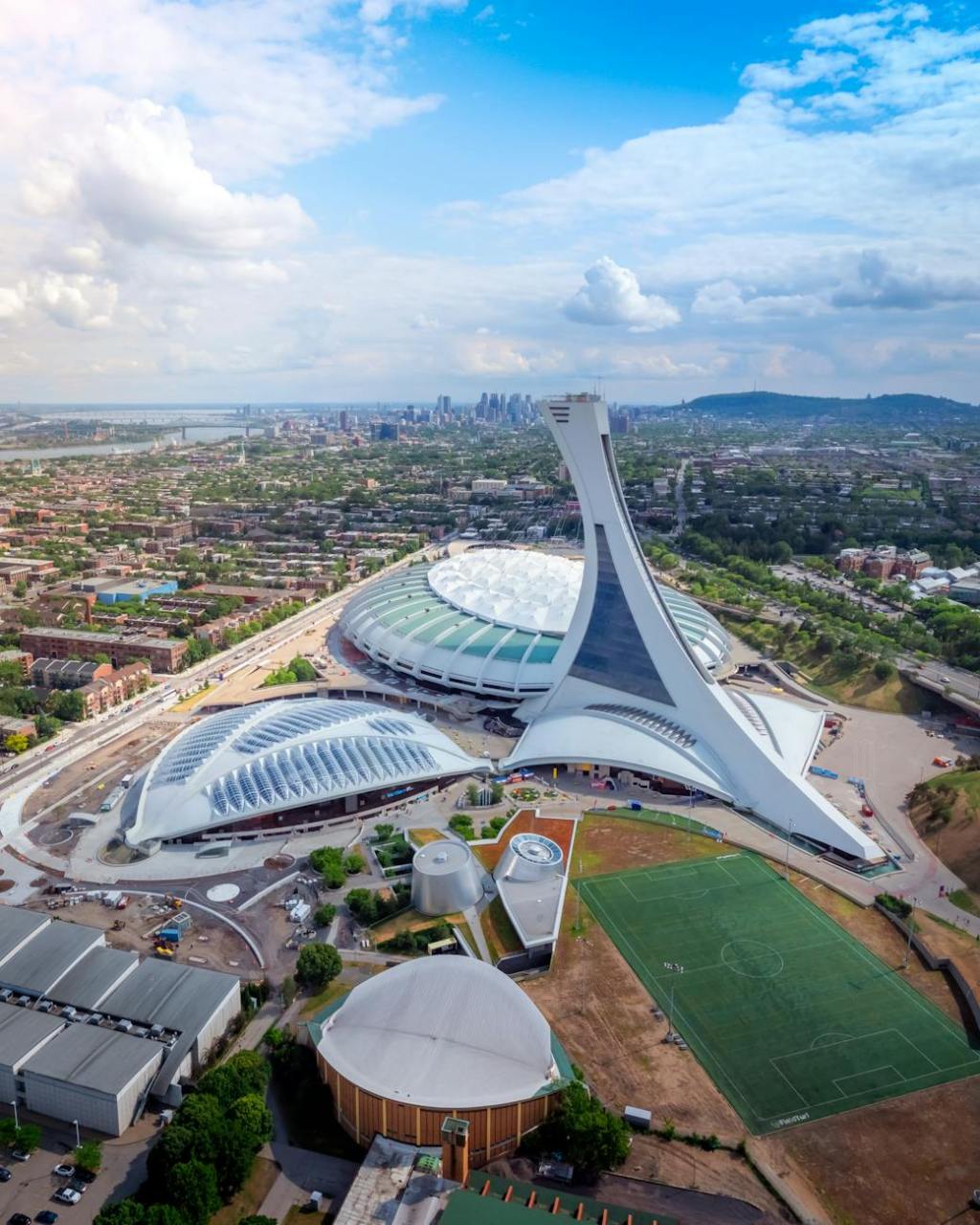
The move to Olympic Stadium in 1977 brought a new era for the Expos. The stadium was intended as a state-of-the-art facility. However, it presented its own set of issues. These issues included poor construction, a malfunctioning retractable roof, and less-than-ideal sightlines for baseball . Despite these challenges, the “Big O” was home to some of the Expos’ most memorable moments. This era saw the rise of iconic players. Gary Carter, Andre Dawson, and Tim Raines emerged from the team’s renowned farm system. The Expos even clinched their only division title in the strike-shortened 1981 season. Adding to the team’s unique identity was their mascot, Youppi!, who entertained fans with his enthusiastic antics.
However, the late 1980s and 1990s brought a period of decline for the Expos. Financial difficulties, exacerbated by the fluctuating Canadian dollar, began to plague the franchise . The team struggled to retain its star players. This struggle is evidenced by the ill-fated Bartolo Colon trade. The trade sent promising talents like Cliff Lee, Grady Sizemore, and Brandon Phillips to Cleveland. In exchange, the Expos received only a short-lived contribution from Colon . The 1994 players’ strike dealt a devastating blow to the Expos. They held the best record in baseball at the time of the stoppage. This event marked a turning point, leading to a decline in fan support and further exacerbating the team’s financial woes.
Ownership struggles further compounded the Expos’ problems. Jeffrey Loria’s purchase of the team in 1999 was met with animosity from fans. This was particularly true after his controversial decision to not renew the team’s television and English-speaking radio contracts. These decisions, coupled with the failure to secure funding for a new ballpark, ultimately sealed the Expos’ fate. In a desperate attempt to salvage the franchise, MLB purchased the team in 2002. The Expos played their final two seasons with a split schedule. They played 22 home games each year at Hiram Bithorn Stadium in San Juan, Puerto Rico. This marked a somber chapter in the team’s history, as they played away from their loyal Montreal fan base. Finally, in 2004, MLB announced the Expos’ relocation to Washington, D.C., where they were rebranded as the Washington Nationals. I was fortunate to attend a game at the Big O in Montreal. This was during the final season, when the Chicago Cubs were in town. My dad drove past the tiny sign around 4 times. This happened before GPS and apps on cell phones. The sign said, “Olympic Stadium this way.” There were roughly 4,000 fans in attendance. I’m sure 2,000 or more made the trip up from Chicago for the three game series.
The Expos’ story is a poignant reminder of the challenges faced by smaller market teams in MLB. They struggle with stadium issues, ownership woes, and financial constraints. These struggles mirror the difficulties faced by the Oakland Athletics. This highlights a recurring theme in the league. The Expos left an indelible mark on Montreal and Canadian baseball. They paved the way for future generations of players and fans.
Baseball in Montreal Today
Even though Montreal no longer has an MLB team, baseball’s popularity in the city remains strong . Montreal boasts a rich baseball history, with roots dating back to the 19th century . While the city currently lacks minor league or independent teams, it has a thriving amateur baseball scene. Dedicated fans are eager for the return of professional baseball. A 2013 feasibility study was conducted by the Montreal Baseball Project. It found that 69% of those surveyed in Quebec supported MLB’s return. Additionally, 81% of business owners in the area were in favor. This demonstrates the enduring passion for baseball in Montreal and the potential for a successful MLB franchise.
The success of the Toronto Blue Jays, Canada’s sole MLB team, further underscores the viability of baseball in Canada . The Blue Jays consistently draw large crowds and have a dedicated following across the country. A Montreal-based MLB team could tap into a significant fan base in Quebec. It might also attract fans beyond Quebec, potentially drawing from a larger catchment area that includes Ottawa and Quebec City. This would create a unique dynamic in MLB. There could be a potential cross-border rivalry between the Montreal team and the Toronto Blue Jays.
Recent Efforts to Bring MLB Back to Montreal
Recent years have witnessed a resurgence of efforts to bring MLB back to Montreal. Stephen Bronfman, son of former Expos owner Charles Bronfman, has emerged as a key figure in this movement. Bronfman and his group are actively exploring ways to bring MLB back to the city. They are collaborating with former Expo Warren Cromartie and his Montreal Baseball Project. They have considered attracting an existing team to relocate to Montreal. They are securing an expansion franchise. They have even explored attracting international sponsors and investors, particularly from Japan.
There was one notable proposal that involved a partnership with the Tampa Bay Rays. The team would split its home games between Florida and Montreal. This plan, while innovative, faced significant logistical hurdles, including the complexities of travel, scheduling, and fan engagement. The Rays struggled with attendance. Their smallest playoff crowd since 1919 highlighted these struggles. This fueled their interest in exploring alternative options like Montreal. However, the split-season proposal ultimately fell through, with MLB’s executive council rejecting the idea in January 2022.
Despite this setback, Montreal has not given up hope. Previous stadium plans reveal the city’s expectations. The proposed Labatt Park offers a glimpse into the city’s vision for a modern baseball venue. Labatt Park was designed as an open-air, natural grass stadium. It featured a transparent outer glass wall offering panoramic views of Montreal’s cityscape. It was intended to be a more intimate and fan-friendly venue than the outdated Olympic Stadium . Labatt ended its sponsorship of the Expos due to concerns about the team’s financial instability. Additionally, there was a lack of progress on the stadium project, which led to the plan being abandoned .
The need for a new ballpark remains a crucial factor in Montreal’s bid for an MLB team . The outdated Olympic Stadium has a history of construction problems and a faulty retractable roof. Its poor sightlines make it a non-starter for a modern MLB franchise . Montreal must present a viable stadium plan to MLB. This will demonstrate its commitment to providing a suitable venue for a new team.
Potential Benefits and Challenges of MLB Expansion in Montreal
Economic Benefits
MLB expansion in Montreal would bring a multitude of potential economic benefits to the city and the league. A new team would generate tourism revenue. Fans would travel from across Canada and the United States to attend games. They would stay in local hotels, dine in restaurants, and shop at nearby businesses. This influx of visitors would provide a significant boost to the local economy.
MLB expansion would create jobs in various sectors beyond tourism. These sectors include stadium construction and operations, concessions, security, and merchandise sales . The expansion would also generate opportunities in media and broadcasting. There would be a need for local television and radio coverage of the new team . These new jobs would contribute to Montreal’s economic growth and provide employment opportunities for its residents.
Furthermore, MLB expansion could lead to increased media deals and revenue for the league . A new team in Montreal would expand MLB’s reach into a new market. It would attract new viewers. This could potentially lead to more lucrative television contracts. This would benefit not only the Montreal team but also the league as a whole.
Cultural Benefits
Beyond the economic benefits, MLB expansion in Montreal would have a significant cultural impact. A new team would foster community pride and create a sense of unity among Montrealers . The team’s colors, logo, and mascot would become symbols of the city. The stadium would serve as a gathering place for fans. They would celebrate their shared passion for baseball.
MLB expansion can transform a city’s identity, establishing it as a major sports hub and elevating its national profile . Montreal, with its rich history and vibrant culture, would benefit from the added prestige of having an MLB team. The team’s presence would attract national and international attention. It would showcase Montreal’s unique character. This would contribute to its image as a world-class city.
Moreover, Montreal’s French character could be a significant asset as baseball becomes more international . MLB is expanding its global reach, with games played in Europe. There is potential for further expansion into Latin America. Montreal’s bilingualism and multiculturalism would position it as a hub for international baseball. This would attract fans and players from beyond North America .
Challenges
While the potential benefits of MLB expansion in Montreal are substantial, there are also challenges to consider. The construction of a new stadium would be a major undertaking, requiring significant investment and potentially facing public opposition . The cost of building a modern MLB stadium can run into billions of dollars. Securing public funding for such a project could be a contentious issue.
The fluctuating Canadian dollar could also pose a challenge for a Montreal-based team . A weaker Canadian dollar would affect revenue streams. It could impact player salaries. This situation would potentially make it more difficult for a Montreal team to compete with its American counterparts. This is a factor that MLB would need to carefully consider when evaluating Montreal’s bid.
Additionally, MLB would need to assess the impact of expansion on existing teams. They also need to evaluate the overall competitive balance of the league . Adding new teams can dilute the talent pool and potentially create disparities in competitiveness between teams. MLB would need to ensure that expansion does not negatively impact the quality of play or the fan experience.
Another potential challenge is the risk of diminishing central revenue available to the 30 existing teams . With expansion, the revenue generated by the league would be divided among more teams. This expansion could potentially reduce the share that each team receives. This could be a concern for smaller market teams that rely on revenue sharing to remain competitive.
The Likelihood of MLB Expansion in Montreal
The likelihood of MLB expansion in Montreal remains uncertain. The city shows significant interest. Potential ownership groups are interested, and MLB itself is involved. However, several factors will influence the league’s decision . MLB is currently focused on resolving stadium issues with the Oakland Athletics and Tampa Bay Rays . The Athletics’ relocation to Las Vegas and the Rays’ new stadium plans in St. Petersburg need to be finalized before MLB can turn its attention to expansion .
Furthermore, Montreal faces competition from other cities vying for an MLB team, including Nashville, Charlotte, and Portland . These cities have strong economic potential, established fan bases, and in some cases, have already secured funding for new stadiums. MLB will need to evaluate the merits of each potential expansion city. The decision should align with the league’s long-term goals.
MLB might seek a higher expansion fee. This consideration is influenced by the increasing valuations of NBA teams. This factor could play a role in the decision . NBA expansion fees could potentially reach $7 billion. MLB may decide to wait. They may see how the NBA’s expansion unfolds before setting its own expansion fee. This could delay MLB’s expansion timeline and potentially affect Montreal’s chances.
However, there are factors that could work in Montreal’s favor. The city’s large population, passionate fan base, and rich baseball history make it an attractive candidate . The potential for a cross-border rivalry with the Toronto Blue Jays could generate significant interest and excitement. Moreover, Montreal’s potential to host preseason games could serve as a stepping stone towards securing an MLB team . These exhibition games would allow MLB to gauge the level of fan support. They would also assess the viability of Montreal as an expansion location. The Toronto Blue Jays hosted the final 2 pre season games from 2014-19. They were scheduled to play them in 2020 but due to COVID-19 it was canceled.
MLB’s decision will ultimately depend on several factors. These include financial viability and market potential. Stadium availability and the overall strategic goals of the league are also important.
Public Opinion on MLB in Montreal
Public opinion plays a crucial role in any major sports expansion decision. In the case of Montreal, there is evidence of strong public support for the return of MLB. A 2013 feasibility study was conducted by the Montreal Baseball Project. It found that 69% of those surveyed in Quebec welcomed MLB’s return. Additionally, 81% of business owners in the area supported it. This suggests that a significant portion of the population is eager to see professional baseball back in Montreal.
There may be some skepticism about the viability of a Montreal team. This is particularly true given the Expos’ past struggles. However, there is also a sense of optimism. There is excitement about the possibility of a fresh start. Many Montrealers think the city has learned from past mistakes. They believe it is now better positioned to support an MLB franchise.
The potential for a Montreal team to offer a unique fan experience is significant. Including local flavors like poutine and Montreal-style bagels could enhance public support . Creating a distinct identity is important. It should celebrate Montreal’s culture and culinary traditions. This could be a key factor in attracting fans and building a strong following.
Conclusion
The potential for MLB expansion in Montreal is a captivating prospect for baseball enthusiasts in the city and beyond. The historical context highlights the desire for professional baseball to return. The current state of baseball in Montreal strengthens this desire. Recent efforts to bring MLB back further demonstrate this strong interest. While challenges remain, the potential benefits of expansion are significant, both economically and culturally.
Montreal’s bid for an MLB team is bolstered by its large population, passionate fan base, and rich baseball history. The potential for a cross-border rivalry with the Toronto Blue Jays is significant. The city’s unique position in the international baseball landscape also strengthens its case. However, there are challenges to consider. These include the need for a new stadium, the fluctuating Canadian dollar, and the potential impact on existing teams.
Public opinion in Montreal appears to be largely in favor of MLB’s return. Surveys and anecdotal evidence suggest strong support for a new team. The city’s commitment to providing a suitable stadium is essential. Creating a unique fan experience will also be crucial to securing an expansion franchise.
MLB’s decision will depend on many factors. These include financial viability, market potential, and the league’s overall strategic goals. MLB expansion in Montreal remains uncertain. However, the passion for baseball in the city is undeniable. The dream of seeing “Nos Amours” back on the field is alive and well.

 ScortonBoy17.ca
Leave a comment