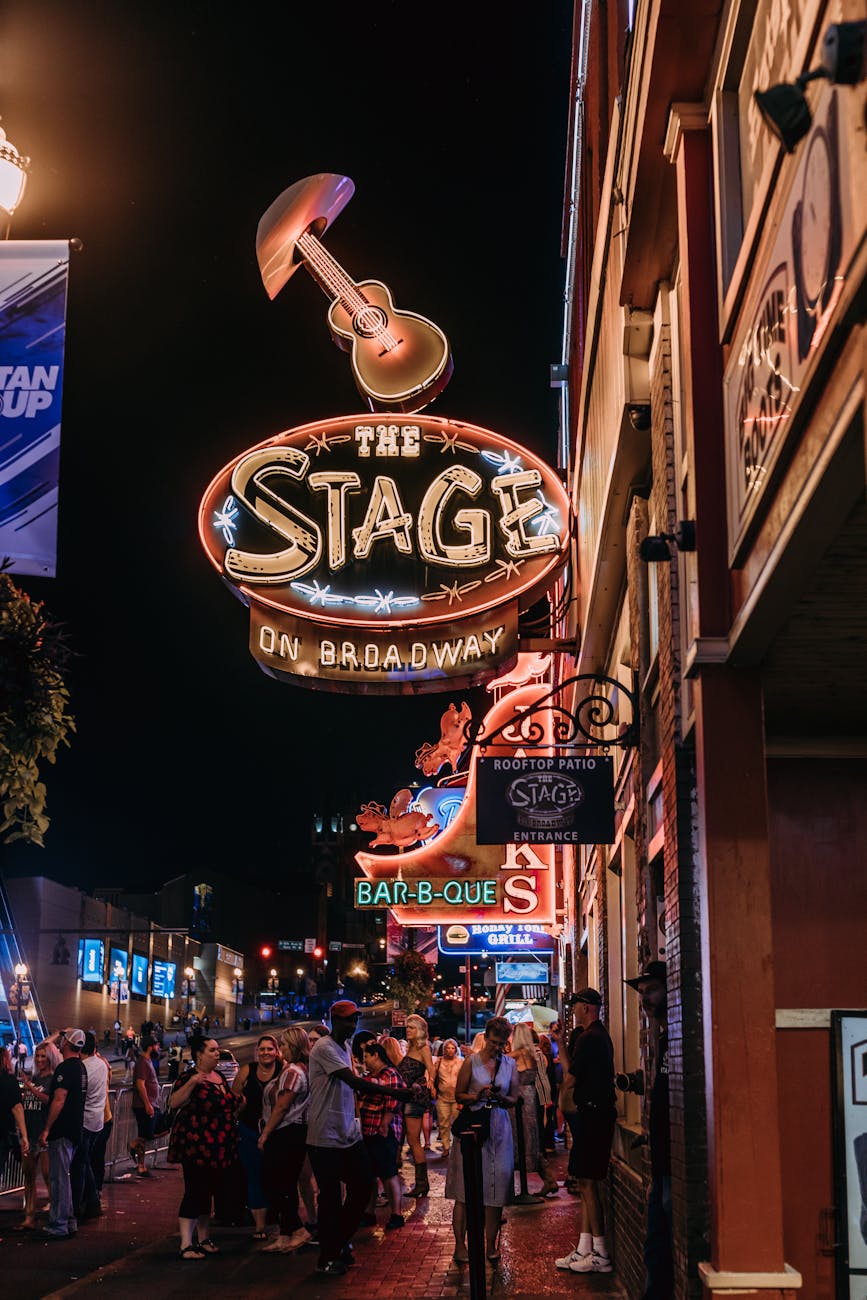
Major League Baseball has announced plans to expand to 32 teams. This will happen once the Tampa Bay Rays and Oakland Athletics resolve their stadium issues. Nashville is seen as a frontrunner for a potential expansion team. This makes it an exciting time for baseball fans in Music City. This blog post will dive into the possibility of MLB expansion to Nashville. It will explore the city’s baseball history and potential stadium options. Additionally, it will examine ownership groups. The post will also analyze the overall impact such a move could have on this vibrant city.
Baseball in Nashville: Past and Present
While Nashville has never had an MLB team, its baseball history is rich, dating back to the 19th century. The city’s first professional team, the Nashville Americans, was formed in 1884 and played in the original Southern League. From 1901 to 1963, Nashville was home to the minor league Nashville Vols. They played their home games at Sulphur Dell ballpark. The Vols were a dominant force in the Southern Association. They won eight league pennants. They also secured nine playoff championships. Additionally, they captured four Dixie Series titles.
Nashville also has a strong connection to the Negro Leagues. The Nashville Elite Giants, a prominent Negro Leagues team, played in the city from the 1920s to the 1940s. The Elite Giants played a significant role in the city’s baseball history. They showcased the talents of Black players. This occurred during a time of segregation in the sport.
Today, Nashville’s baseball passion is evident in the Nashville Sounds, the Triple-A affiliate of the Milwaukee Brewers. The Sounds consistently rank among the top minor league teams in attendance, playing their home games at First Horizon Park. They even have a regional rivalry with the Memphis Redbirds, known as the “I-40 Cup Series.” This dedicated fan base and thriving minor league presence demonstrate Nashville’s potential to embrace an MLB team.
Beyond the Sounds, Nashville has a flourishing youth baseball scene. Many young players participate in Little League and other youth programs. This suggests a growing generation of baseball fans who could form the core of a future MLB team’s fan base.
Potential Stadium Options
A suitable stadium is crucial for any MLB expansion team. Nashville is exploring several options, including:
New Stadium Possibilities
Initially, Music City Baseball proposed a new retractable-roof stadium on the East Bank of the Cumberland River, near Nissan Stadium. This location would place the ballpark in a prime spot close to downtown. Concerns have arisen about traffic congestion. There are also worries about infrastructure strain. Therefore, Music City Baseball is now evaluating at least five potential ballpark sites. These include three sites in Davidson County and one each in Williamson County and Rutherford County.
The proposed stadium would be privately financed. It could anchor a larger development initiative similar to The Battery Atlanta, home of the Atlanta Braves. This type of mixed-use development could include an entertainment district, condos, and offices, generating economic activity beyond the ballpark itself.
Interestingly, students involved in designing a theoretical stadium for the Nashville Stars faced challenges. They had to integrate the different disciplines of architecture and interior design. This highlights the complexities involved in creating a functional and aesthetically pleasing ballpark that meets MLB standards.
Renovation Options
First Horizon Park, the current home of the Sounds, is a modern facility. However, it likely cannot be expanded to meet MLB requirements. Therefore, renovating an existing stadium is not a viable option for an MLB team in Nashville.
Potential Impact of MLB Expansion on Nashville
Bringing MLB to Nashville could have a significant impact, with both economic benefits and potential challenges:
Economic Benefits
An MLB team could be an economic engine for Nashville, creating jobs, attracting tourists, and boosting local businesses. Construction of a new stadium would generate numerous jobs in various sectors. Moreover, the team’s operations would create ongoing employment opportunities.
A Nashville MLB franchise would likely attract visitors from across the country, increasing tourism and generating revenue for local businesses. Nashville’s vibrant atmosphere and lively entertainment scene would be a major draw for baseball fans. Furthermore, an MLB team would attract corporate sponsorships and partnerships, bringing further investment into the city.
The economic growth of Nashville makes it possible to develop a mixed-use stadium complex with limited public funding. This is important for several reasons. Public appetite for subsidizing sports stadiums may be waning. This shift comes after the significant investment in the new Titans stadium.
It’s worth noting that new sports facilities are often touted as economic drivers. However, some studies suggest they have a minimal impact. Some studies suggest they have a minimal impact. Others even suggest they have a negative effect on overall economic activity. This highlights the importance of careful planning and realistic expectations when assessing the economic impact of an MLB team.
Potential Challenges
While the economic benefits are enticing, Nashville must also consider potential challenges. The city already has several professional sports teams. An MLB team would need to compete for fans and entertainment dollars. Increased traffic and demand on infrastructure could also pose challenges.
Potential Ownership Groups
Music City Baseball leads the MLB expansion effort. Former MLB player Dave Stewart spearheads the group, alongside real estate developer John Loar. Their board of directors includes prominent figures like former U.S. Attorney General Alberto Gonzales, Negro Leagues Baseball Museum president Bob Kendrick, and former Titans running back Eddie George.
Dave Stewart envisions a predominantly minority-owned and operated franchise, which would be a groundbreaking development in MLB. He believes this would reflect the diversity of the country and bring a new perspective to the league.
The group has impressive leadership and widespread support. However, a crucial factor remains. They need to secure a controlling owner with deep pockets. This owner would cover the estimated $2 billion expansion fee and stadium costs. Music City Baseball is actively seeking investors, both locally and among minority owners in other MLB clubs.
| Name | Title | Background |
|---|---|---|
| Dave Stewart | Former MLB Player | Three-time World Series champion, former All-Star pitcher, pitching coach, GM, and agent |
| John Loar | Real Estate Developer | 30 years of experience in real estate development, sports, and entertainment |
| Alberto R. Gonzales | Chair, Board of Directors/Executive Committee | 80th Attorney General of the United States, former Counsel to the President |
| Bob Kendrick | Board Member | President of the Negro Leagues Baseball Museum |
| Eddie George | Board Member | Former NFL running back for the Tennessee Titans |
Export to Sheets
Potential League Realignment
With the addition of two expansion teams, MLB would likely undergo a realignment of its divisions. One proposed scenario involves creating eight divisions, four per league, with four teams in each division. This would necessitate a more balanced schedule, potentially leading to a 150-game season.
Under this proposed structure, each team would play:
- 10 games against each divisional opponent (30 games total)
- 6 games against each team in their league outside their division (72 games total)
- 3 games against each team in the other league (48 games total)
This realignment and revised schedule would significantly impact the league. It could create new rivalries. It might also alter the playoff landscape.
Historical Context
MLB has a long history of expansion, growing from 16 teams in 1960 to 30 teams today. However, the league has gone without expanding longer than at any point since the early 1960s. This makes the current expansion discussions particularly significant.
Historically, MLB expansion has often been a response to problems or challenges faced by the league. For example, the expansion in the 1960s was partly driven by the threat of a rival league, the Continental League. In the current context, expansion could be a way to generate new revenue streams. It could also address the ongoing stadium issues in Oakland and Tampa Bay.
Analyzing past expansions reveals varying degrees of success. Some expansion teams, like the Arizona Diamondbacks, have quickly become competitive and established strong fan bases. Others, like the Tampa Bay Rays, have struggled with attendance and financial viability despite on-field success.
Nashville’s potential expansion bid faces unique challenges. These include the high cost of expansion fees. There is also a need to secure private funding for a new stadium. However, the city also has advantages, such as its strong sports culture, growing population, and central location in the Southeast.
Demographics and Potential Fan Base
Nashville has a diverse and growing population, with a median age of 36.8 years. The city is experiencing a population surge, making it one of the fastest-growing in the United States. Nashville is projected to be a majority-minority city by 2040. Its demographic makeup will be 32% White, 27% Black, 7% other, and 34% Hispanic.
This expanding and diverse population has a strong sports culture. It also has a history of supporting local teams like the Titans, Predators, Nashville SC, and the Sounds. This combination suggests a significant potential fan base for an MLB team.
Nashville has a younger demographic compared to the national average. The city also has a higher percentage of young families and children. This aligns with MLB’s efforts to attract younger fans. Furthermore, there’s a strong connection between youth baseball participation and MLB fandom. Nashville’s thriving youth baseball scene could translate into a large and loyal fan base for an MLB team.
Nashville’s central location in the Southeast is advantageous. It is close to other major cities, which enhances its potential to draw a regional fan base.
Expert Opinions and Stakeholder Perspectives
MLB Commissioner Rob Manfred has acknowledged Nashville as a potential expansion city. However, he has stated that no decisions will be made until stadium issues in Oakland and Tampa Bay are resolved. As Manfred said, “There is, right now, no timetable for expansion. I have to get Tampa and Oakland (stadium issues) resolved first. Only then can we turn meaningfully to that topic.”
Experts have differing opinions on Nashville’s viability as an MLB city. Some point to the city’s relatively small market size and potential competition with existing franchises. Others believe Nashville’s strong sports culture, growing population, and economic stability make it an ideal location.
Music City Baseball has been actively engaging with the Nashville community and has garnered support from various stakeholders. However, some residents have expressed concerns about the potential use of public funds for a new stadium. They are also worried about the impact on the Sounds. Music City Baseball has addressed these concerns by emphasizing their commitment to private financing and collaboration with the Sounds.
Conclusion
The possibility of MLB expanding to Nashville is undeniably exciting. The city has a rich baseball history, a passionate and growing fan base, and a thriving economy. While challenges remain, Music City Baseball’s commitment to private investment and community engagement is promising.
However, the lack of a confirmed financial backer with deep pockets remains a significant hurdle. Securing this crucial element will be essential for Nashville’s bid to succeed. Furthermore, the city must carefully consider the potential challenges of increased competition for fans. They also need to address infrastructure strain. Additionally, it’s important to ensure the long-term financial viability of the franchise.
Nashville has challenges to overcome. If it succeeds, the city could soon be home to a thriving MLB team. This would add another jewel to its crown as a major league sports destination. The Nashville Stars could become a symbol of the city’s vibrant culture. They might represent its dedication to diversity and inclusion in professional sports. Only time will tell if Music City’s MLB dream will become a reality. However, the momentum is building. The future of baseball in Nashville looks bright.

 ScortonBoy17.ca
Leave a comment