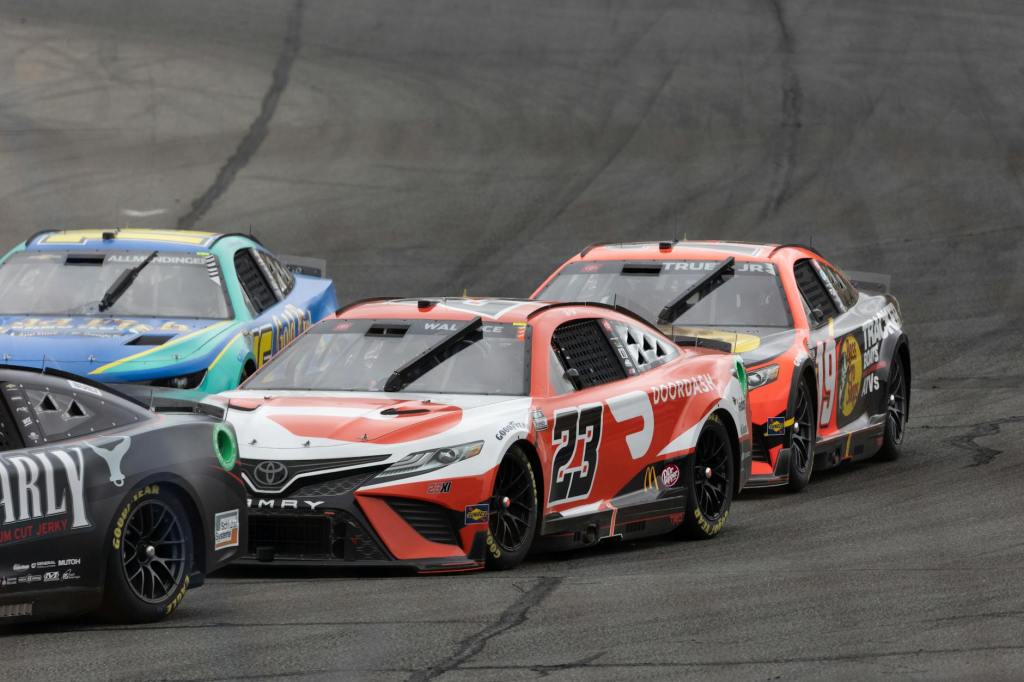
The roar of the engines, the smell of burning rubber, and the thrill of high-speed competition are unforgettable. NASCAR has always been a sport that lives on the edge. But this pursuit of speed and adrenaline comes with inherent risks. This reality was tragically brought to light on February 18, 2001, when Dale Earnhardt Sr., one of NASCAR’s most iconic figures, lost his life in a last-lap crash at the Daytona 500. Earnhardt’s death sent shockwaves through the racing world. It forced NASCAR to confront the dangers of its sport. This event sparked a safety revolution that continues to this day.
This blog post delves into the comprehensive safety innovations NASCAR has implemented since that fateful day. It explores the technologies, regulations, and cultural shifts. These changes have transformed driver safety and left an enduring legacy on the sport.
The Death That Changed NASCAR: Dale Earnhardt’s Last Lap
Before we dive into the safety advancements, we must understand the circumstances surrounding Earnhardt’s death. It also highlights the safety concerns it raised. We should remember that from 1948 to 2000, there were 128 deaths at NASCAR events. These included both drivers and spectators. Of these, 108 were drivers, and 92 of those deaths were due to accidents on the racetrack. During the final lap of the 2001 Daytona 500, Earnhardt’s car was involved in a three-car collision. After making contact with Sterling Marlin and Ken Schrader, his car slammed head-on into the outside wall at Turn 4. While the impact appeared relatively minor at first glance, Earnhardt sustained a fatal basilar skull fracture. This is a severe injury to the base of the skull. It is often caused by the head whipping violently forward or backward.
Earnhardt’s death was a devastating blow to the NASCAR community. It was a stark reminder of the inherent dangers of the sport. The incident ignited a debate about the adequacy of existing safety measures. The incident exposed critical vulnerabilities in driver protection. Notably, there was a lack of mandatory head-and-neck restraints. Additionally, there was the use of unforgiving concrete walls around the track. In the years leading up to 2001, drivers like Steve Park and Bobby Allison suffered career-ending injuries due to crashes. Ernie Irvan was even in a coma for several days after a crash in 1994.
In the aftermath of the tragedy, NASCAR faced immense pressure to take decisive action. The sport’s leaders recognized the need for a comprehensive safety overhaul to prevent similar incidents and protect its drivers. This marked the start of a new era in NASCAR. It was characterized by a proactive pursuit of safety innovations. NASCAR was relentless in their efforts.
The HANS Device: Saving Lives One Race at a Time
A significant safety innovation was introduced in response to Earnhardt’s death. It was the mandatory use of the HANS device (Head and Neck Support). This device is a U-shaped collar made of carbon fiber and Kevlar. It is designed to limit head movement during crashes. This prevents the kind of violent whiplash that led to Earnhardt’s fatal injury.
The HANS device works by attaching to the driver’s helmet and securing it to the shoulder harnesses. In the event of a crash, it restrains the head and neck, preventing excessive forward or sideways motion. Think of it like a helmet for your neck. A helmet spreads the force of an impact over the head. Similarly, the HANS device distributes the impact forces over a larger area. It reduces the strain on the neck. This minimizes the risk of basilar skull fractures and other head and neck injuries.
The HANS device was available before Earnhardt’s death. However, many drivers, including Earnhardt himself, were reluctant to use it. They cited discomfort and restricted movement. The tragedy was a wake-up call. NASCAR mandated its use in October 2001 for all drivers in its top three series.
The impact of the HANS device has been undeniable. Since its mandatory implementation, there have been no fatalities in NASCAR’s top three series due to basilar skull fractures. This remarkable achievement underscores the effectiveness of this seemingly simple device in preventing life-threatening injuries.
SAFER Barriers: Softening the Blow
The introduction of SAFER (Steel and Foam Energy Reduction) barriers was another critical safety innovation. This innovation emerged in the wake of Earnhardt’s death. These barriers, also known as “soft walls,” are designed to absorb and dissipate the energy of high-speed impacts. They reduce the force transferred to the driver and car.
SAFER barriers consist of steel tubes welded together and backed by energy-absorbing foam blocks. When a car hits the barrier, the steel tubes flex. The foam compresses. This action dissipates the impact energy over a wider area. It reduces the severity of the crash. This innovative design helps to prevent cars from bouncing back onto the track and minimizes the risk of serious injury.
SAFER barriers were developed through a collaborative effort. NASCAR, the Indy Racing League, and the University of Nebraska-Lincoln’s Midwest Roadside Safety Facility worked together. SAFER barriers had successful testing at the Indianapolis Motor Speedway in 2002. They were then installed at all oval tracks on the NASCAR circuit. The installation was done gradually.
The introduction of SAFER barriers has significantly improved driver safety. These barriers absorb and dissipate impact energy. They have reduced the severity of crashes and minimized the risk of life-threatening injuries. Their widespread implementation is a testament to NASCAR’s commitment to creating a safer racing environment.
The HANS device and SAFER barriers have been instrumental in improving driver safety. However, NASCAR’s commitment to safety extends far beyond these two innovations. NASCAR has adopted a multifaceted approach to safety, encompassing car design, driver equipment, and track safety protocols.
Beyond HANS and SAFER: A Multifaceted Approach to Safety
Car Design: Building Safer Machines
NASCAR has made significant changes to car design to enhance driver safety. The “Car of Tomorrow,” introduced in 2007, featured several key safety features:
| Safety Feature | Description |
|---|---|
| Reinforced roll cage | Stronger protection in rollovers |
| Steel plate for left side skin | Better resiliency in crashes |
| Higher and wider roof | Increased safety in rollovers |
| Smaller and stronger fuel cell | Reduced risk of fires |
| Lexan windshield | Flexible and strong to absorb impact |
In 2022, NASCAR introduced the Next Gen car, which incorporates further safety advancements. This car features a carbon fiber composite body. It enhances crashworthiness. The car includes a crash-resistant fuel cell. Additionally, it has a state-of-the-art biometric data monitoring system to track drivers’ vital signs during races. In 2023, NASCAR enhanced the Next Gen car. Modifications were made to the center and rear clips of the chassis. These changes help better absorb rear impacts. This change was a direct response to crashes in the 2022 season that resulted in concussions for some drivers.
Driver Equipment: Enhancing Protection from Head to Toe
NASCAR has also implemented numerous changes to driver equipment to improve safety. Drivers must wear fire-retardant suits, gloves, and shoes. They also need certified helmets that offer increased protection. These helmets feature anchor points for the HANS device. Helmets have also been improved with features like padding, radio hookups, and visors to reduce sun glare.
In recent years, NASCAR has mandated the use of fire-resistant head socks, helmet skirts, and underwear. This was done to further enhance driver protection in the event of a fire. This change, while seemingly minor, demonstrates NASCAR’s commitment to addressing every aspect of driver safety.
One of the most significant challenges NASCAR has faced in recent years is the issue of driver concussions. Concussions can occur even in crashes that don’t seem severe. They can have long-term health consequences for drivers. NASCAR has taken steps to address this concern. They mandate baseline concussion testing for drivers. They have also implemented stricter protocols for evaluating and managing concussions.
Track Safety Protocols: Minimizing Risks on the Racetrack
NASCAR has also implemented various track safety protocols to minimize risks during races. These include:
- Pit road speed limits: To prevent accidents in the pit area, NASCAR enforces strict speed limits on pit road.
- Restrictor plates: At high-speed tracks like Daytona and Talladega, restrictor plates were mandated in 1988. This was to reduce engine power and limit speeds. This action decreased the likelihood of high-impact crashes.
- Roof flaps: Roof flaps were introduced in 1994 to prevent cars from becoming airborne during spins or accidents. As seen this past Sunday at the Daytona 500 though, it is not 100% effective. There is still some work to be done trying to keep the cars on the ground after an accident.
- Safety teams: NASCAR has a dedicated safety team at all races. They provide immediate medical attention in case of an accident.
In addition to these measures, NASCAR has standardized track layouts to ensure consistency and predictability for drivers. Most tracks are oval-shaped and run counterclockwise. Drivers are allowed practice runs. They must also complete mandatory qualifying runs before races to familiarize themselves with the track.
A Culture of Safety: From Resistance to Acceptance
The implementation of these safety innovations was not without its challenges. Many drivers initially resisted changes like the HANS device, citing discomfort and concerns about restricted movement. This resistance was understandable, as drivers were accustomed to a certain level of freedom and control in the car. However, NASCAR’s persistence and the undeniable evidence of improved safety gradually led to widespread acceptance.
Today, safety is deeply ingrained in NASCAR’s culture. Drivers, teams, and officials understand the importance of prioritizing safety and actively participate in ongoing research and development efforts. This cultural shift has been instrumental in making NASCAR a safer sport. NASCAR has transitioned from a reactive approach to safety. Changes were often made in response to accidents. Now, a proactive approach is taken. Research and development are ongoing to identify and address potential safety concerns before they lead to incidents.
This evolution of NASCAR’s safety culture is evident in the collaborative efforts between NASCAR, drivers, safety experts, and researchers. They work together in developing and implementing safety innovations. For example, the development of SAFER barriers involved extensive collaboration between NASCAR, the Indy Racing League, and university researchers. Similarly, NASCAR actively seeks input from drivers and safety experts when making decisions about safety regulations and car design.
Measuring the Impact: A Legacy of Lives Saved
The impact of NASCAR’s safety revolution is undeniable. Since 2001, there have been no driver fatalities in NASCAR’s top three national series. This remarkable achievement shows how effective the safety innovations are. These innovations were implemented after Dale Earnhardt’s death.
It’s impossible to quantify the exact number of lives saved. Experts estimate that NASCAR’s safety advancements have prevented dozens of fatalities. This has occurred over the past two decades. The sport has evolved. Serious injuries and fatalities were relatively common in the past. Now, driver safety is paramount. For example, between 2001 and 2009, there were an average of 220 crashes per year in NASCAR. Based on the fatality rate for car accidents on U.S. roads, this would have resulted in approximately 15 driver deaths during that period. However, thanks to the safety innovations implemented, there were no fatalities.
NASCAR’s safety innovations have not only saved lives but also reduced the number and severity of injuries. Drivers are now able to walk away from crashes that would have been life-threatening in the past. This has had a profound impact on the sport, allowing drivers to compete with greater confidence and peace of mind.
Looking Ahead: The Future of NASCAR Safety
NASCAR’s commitment to safety is an ongoing journey. The sport continues to invest in research and development, exploring new technologies and strategies to further enhance driver protection. As Steve Phelps, president of NASCAR, stated, “We need to be bold and innovative if we’re going to grow.”
Some of the ongoing safety research and development efforts in NASCAR include:
- Refining SAFER barriers: NASCAR continues to refine SAFER barriers, exploring new materials and designs to improve their energy-absorbing capabilities. This ongoing research has led to the recent recognition of Dr. Dean Sicking. He is a key figure in the development of SAFER barriers. He was honored with the NASCAR Hall of Fame Landmark Award for his contributions to driver safety.
- Developing new safety equipment: Research is ongoing to develop new safety equipment. This includes advanced helmets and fire suits. The aim is to provide even greater protection for drivers.
- Improving crash data analysis: NASCAR is constantly analyzing crash data. They aim to identify trends and areas for improvement in safety protocols. Additionally, they focus on enhancing car design. This data analysis helps NASCAR to understand the causes and consequences of crashes and to develop more effective safety measures.
NASCAR also recognizes the importance of communication and collaboration in its safety efforts. The sport holds regular meetings with drivers to discuss safety concerns and gather feedback on potential improvements. This open dialogue between drivers and NASCAR officials ensures that safety remains a top priority. It also makes sure that drivers have a voice in shaping the future of safety in the sport.
Conclusion: A Lasting Legacy of Innovation
The safety revolution that began in the wake of Dale Earnhardt’s death has transformed NASCAR. The sport has embraced a culture of safety, prioritizing driver protection and relentlessly pursuing innovations to make racing safer. This cultural shift recognizes that safety is about more than just reacting to accidents. It involves actively preventing them.
The HANS device, SAFER barriers, and numerous other advancements have significantly reduced the risk of serious injuries and fatalities. NASCAR’s commitment to safety has not only saved lives but also inspired other motorsports organizations to adopt similar measures. NASCAR’s proactive approach to safety has set a new standard for motorsports. It demonstrates that it’s possible to maintain the excitement and intensity of racing. At the same time, it prioritizes driver protection.
Dale Earnhardt’s legacy extends far beyond his on-track achievements. His tragic death sparked changes. These changes led to a safety revolution. This revolution has made NASCAR a safer sport for all. As NASCAR evolves, its commitment to safety will remain a cornerstone of the sport. This ensures that drivers can compete at the highest level. It minimizes the risks inherent in this thrilling and demanding sport. Ongoing research and development efforts are crucial. The collaborative spirit between NASCAR and its stakeholders will drive safety innovations. These will ensure that NASCAR remains a leader in motorsports safety.

 ScortonBoy17.ca
Leave a comment